

Markets & Metals feature of Wreckonomics™ series | with contributions by Aidan Garrity, ARS Digital Marketing Associate
Third Quarter 2026: Non-Ferrous Records, Fuel Squeezes, and Catalytic Realignment
As we close out 2026, our Q3 Markets and Metals report highlights dramatic divergences across end-of-life vehicle (ELV) commodities and scrap. While domestic mill procurement and tight yard inventories provide a strong baseline, global supply chain shocks—specifically disruptions around the middle east and evolving international tariff policies—have added new layers of cost pressure and regional demand shifts. In Q3 we saw record-breaking runs in non-ferrous metals, persistent logistical cost pressures driven by unstable and a-typically high fuel prices. Most interestingly the changes in demand for rare metal produced a sharp decoupling within PGMS (Platinum Metal Groups), the group of metals found in all catalytic converters.
Ferrous Metals (Steel, Iron, Auto Scrap)
Automotive Scrap
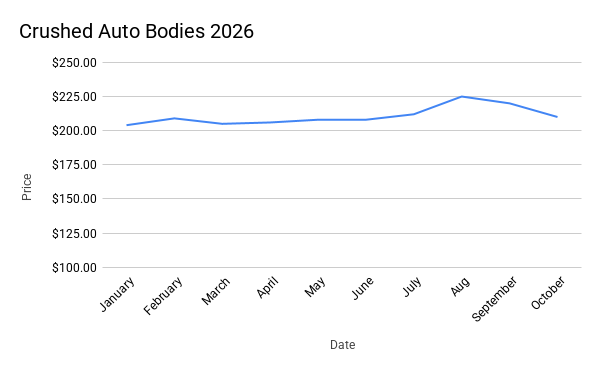
Vehicle recycling flows remained tight across North America, applying continuous upward pressure on scrap acquisition costs. As domestic steel producers compete for high-yield secondary raw materials to bypass imported steel surcharges, shredded auto scrap and prime grades continue to command strong pricing.

Domestic Mill Utilization
U.S. steel mills maintained elevated production levels through Q3, backed by robust order books for infrastructure and domestic manufacturing. Demand for Heavy Melting Steel, and Shredded Auto Scrap remains firm, keeping ferrous scrap prices resilient despite broader macroeconomic volatility.
Non-Ferrous Metals
Copper
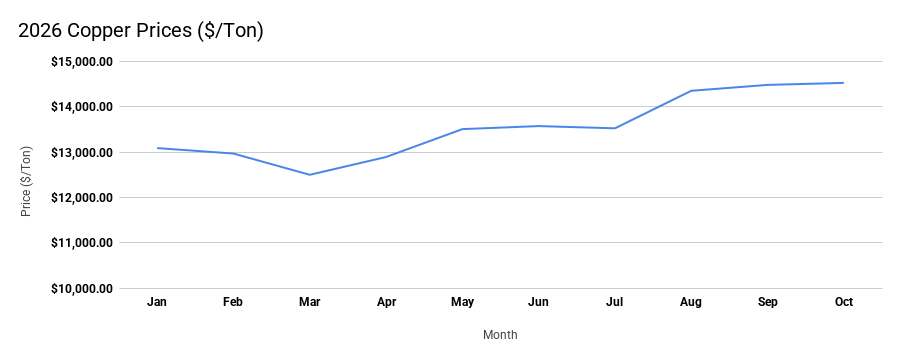
Scrap copper has emerged as this quarter’s powerhouse as market demand has put a premium on the red metal. Through nationwide projects like utility grid rebuilds, transmission installation, and expansions, secondary copper is being used in very high volumes to fulfill these projects. Through the recent AI and data center construction boom, copper is necessary for their power distribution, grounding assemblies, and high-efficiency heat sinks.
This demand, coupled with mining shortages that are failing to meet the demands of the market, begins to paint a clearer picture of why automotive recyclers prioritize high-grade copper found in wiring harnesses, starter motors, alternators, and electric steering modules.

Aluminum
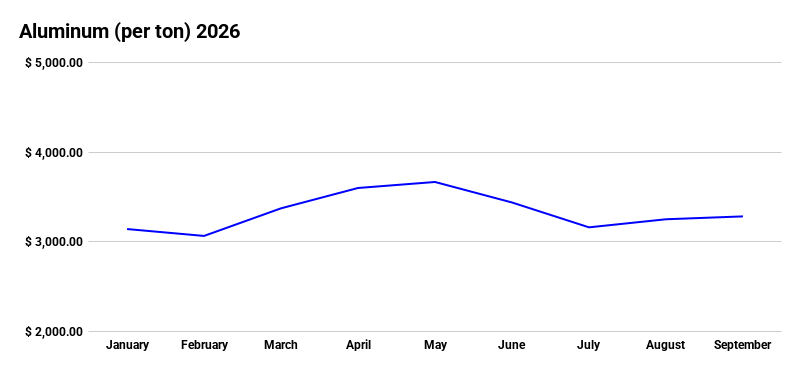
Clean scrap aluminum was able to establish a stable support floor after following volatility earlier in the year. Bolstered by a 25% tariff on imported aluminum earlier in the year, Aluminum surged. Q3 saw a small market correction and a slight summer slowdown, cooled down the crazy growth but values in September still represented a 23% increase YOY.

Catalytic & Rare Metals: A Mixed Bag
Rhodium
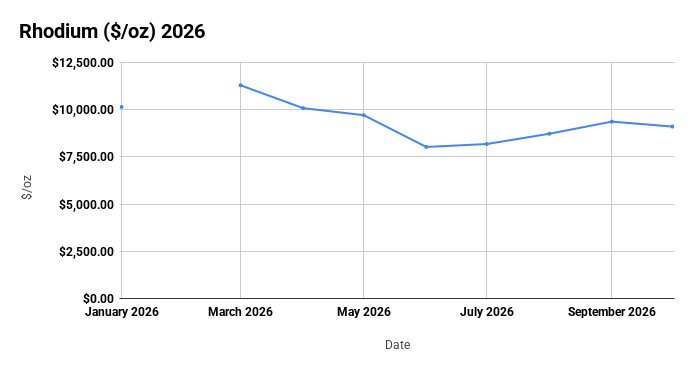
In this quarter, rhodium saw a sharp and sustained rebound from its low point in June. Lingering mining pitfalls are greatly limiting above-ground supply, putting a premium on secondary catalytic demand.

Palladium
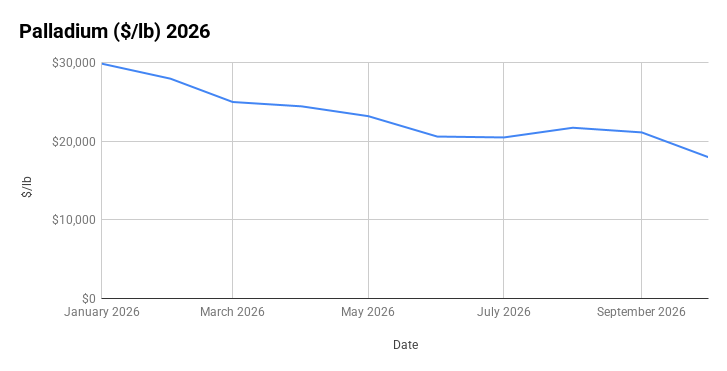
Unlike the recent action we’ve seen in Rhodium, Palladium demand cooled a bit last quarter.

Platinum
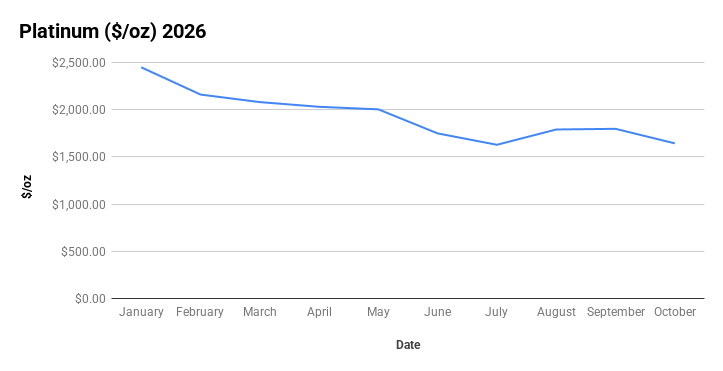
Platinum is currently sitting in the middle of these two.

Fuel Prices & Transport Economics
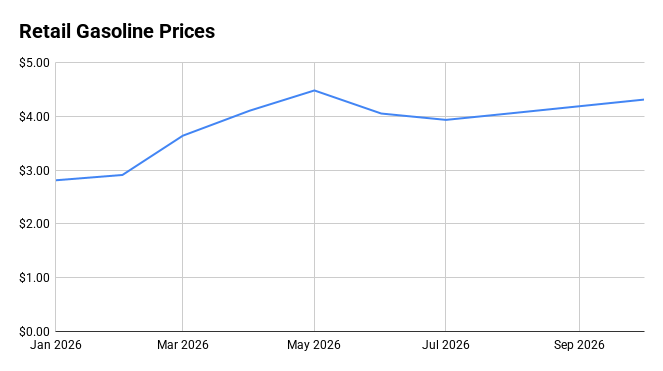
As we all know, gas still remains an issue as we close out Q3, with the quarterly average sitting around $4.12 per gallon for regular retail gasoline. This quarter was marked by a brief mid-summer dip followed by a late-quarter climb that added 43 cents per gallon between July and September.
This has impacted the scrap market largely, as towing companies have to charge more per mile, reducing the net cash payout at the curb to those sending their cars off. Sustained $4.00+ fuel prices through Q3 squeezed the shipping margins for transporting crushed auto bodies in bulk to regional shredders and mills. This partially contributed to the softening of whole car scrap pricing as we headed into autumn.

Macro Factors & Market Drivers: What Defined Q3
Strait of Hormuz Disruptions & Energy Costs
Maritime shipping conflict and transit fee pressures in the Strait of Hormuz sent global ocean freight rates and energy prices surging during Q3. For domestic processors, higher fuel and freight costs have raised operational overhead. However, the resulting maritime delays on imported raw materials have forced domestic mills and foundries to rely more heavily on local scrap yards, tightening regional supply.
Tariff Policy Shifts & Trade Realignments
Updated import tariffs and revised trade duties have increased the cost of foreign prime steel and aluminum imports. This has accelerated buy-side demand for domestic scrap metal as U.S. manufacturers seek duty-compliant raw materials to keep production costs manageable.
Summer Scrap Scarcity & Lean Inventories
Typical mid-summer factory turnarounds reduced prompt scrap generation. Combined with existing inventory draws, this seasonal tightness supported buy-side price floors as processors scrambled to fulfill mill commitments.
Strong End-of-Life Vehicle (ELV) Values
High catalytic converter values, dense copper wiring harnesses, and aluminum body elements ensured that retired vehicles maintained exceptionally high scrap valuations.
What This Means for Scrap Sellers and Suppliers
For auto recyclers, fleet managers, insurers, and lenders holding end-of-life vehicles or industrial scrap, Q3 remains a highly favorable seller’s market. Strong ferrous benchmarks paired with high-value non-ferrous inputs and tariff-driven domestic demand mean vehicle payout rates remain near peak levels.
If your organization manages a volume of high-mileage, aged, or total-loss vehicles, connect with our team today or email us directly at arsinfo@arscars.com.